













- New method produces perfect images of misaligned big toes
 on 23 October 2026 at 11:10
Patients require X-rays of their big toes before surgery. Several images are required as the development of hallux valgus needs to be monitored over time.
- Shares in this data center company are down 40% as investors lose faith in the AI story
 on 23 October 2026 at 02:40
For two decades, data centers were relatively safe, lucrative real estate investments. They attracted investors because they served as digital infrastructure—the essential plumbing that keeps the internet running.
- App's AI 'eyes' for blind users fall short, researchers find
 on 22 October 2026 at 21:20
A blind man points his phone at a pan and asks, "Are the sausages brown yet?" The app he's using responds out loud that some spots are still slightly pink. So a bit later, he takes another photo and asks again, and then again, about four times in all, until the food is fully cooked.
- Nvidia boss criticizes 'cheap' AI doomsday warnings
 on 22 October 2026 at 19:20
AI chip giant Nvidia's boss Jensen Huang said on Thursday that warnings artificial intelligence could wipe out humanity were "cheap" attempts to grab headlines.
- What to know about the AI-detected security bug impacting wide swaths of the internet
 on 22 October 2026 at 18:40
The language that's known as the backbone of the internet is now subject to what experts describe as one of the most notable vulnerabilities in recent memory.
- Q&A: How AI came to model the “messy” human mind
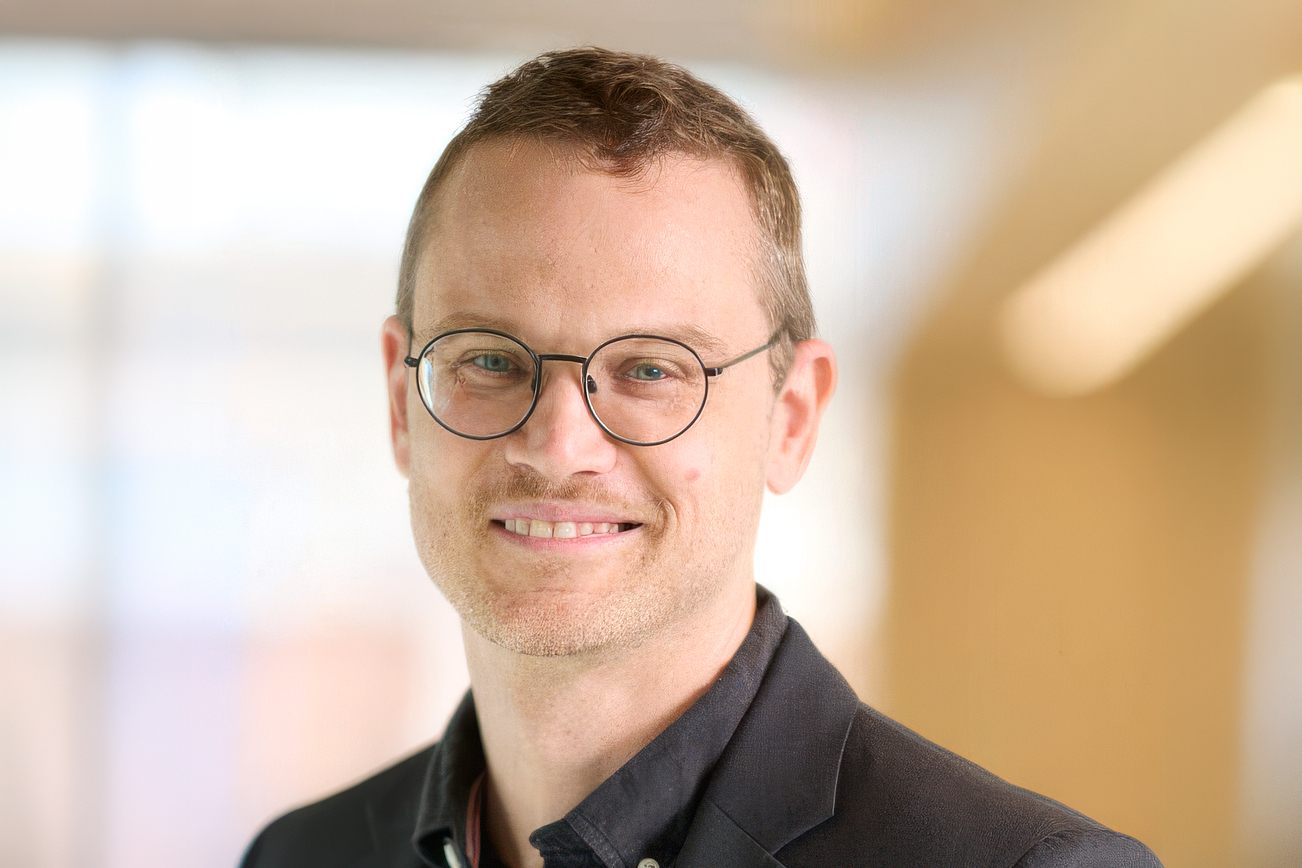 by Adam Zewe | MIT News on 23 October 2026 at 04:00
Assistant Professor Benjamin Lindquist studies how engineers deliberately injected randomness into early AI, giving rise to deep-learning models that sometimes hallucinate.
- This design software reimagines everyday objects as self-aware devices
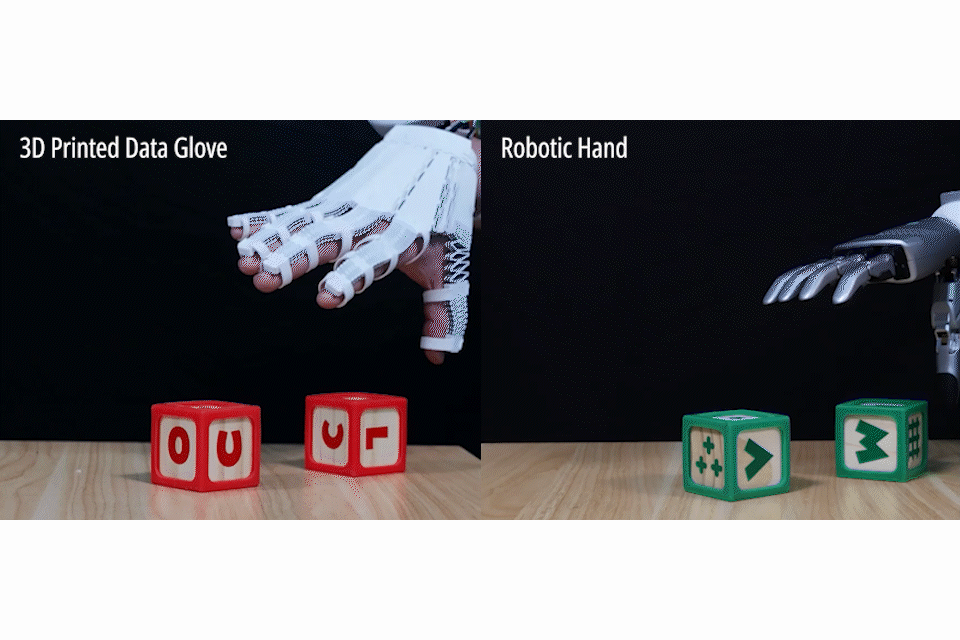 by Alex Shipps | MIT CSAIL on 22 October 2026 at 20:45
“X-Hinges” helps design and 3D print items like lamps and gloves with an interactive twist: automatically embedded sensors that perceive and adaptively respond to human contact.
- Why teaching AI about symmetry could make prenatal diagnosis more reliable
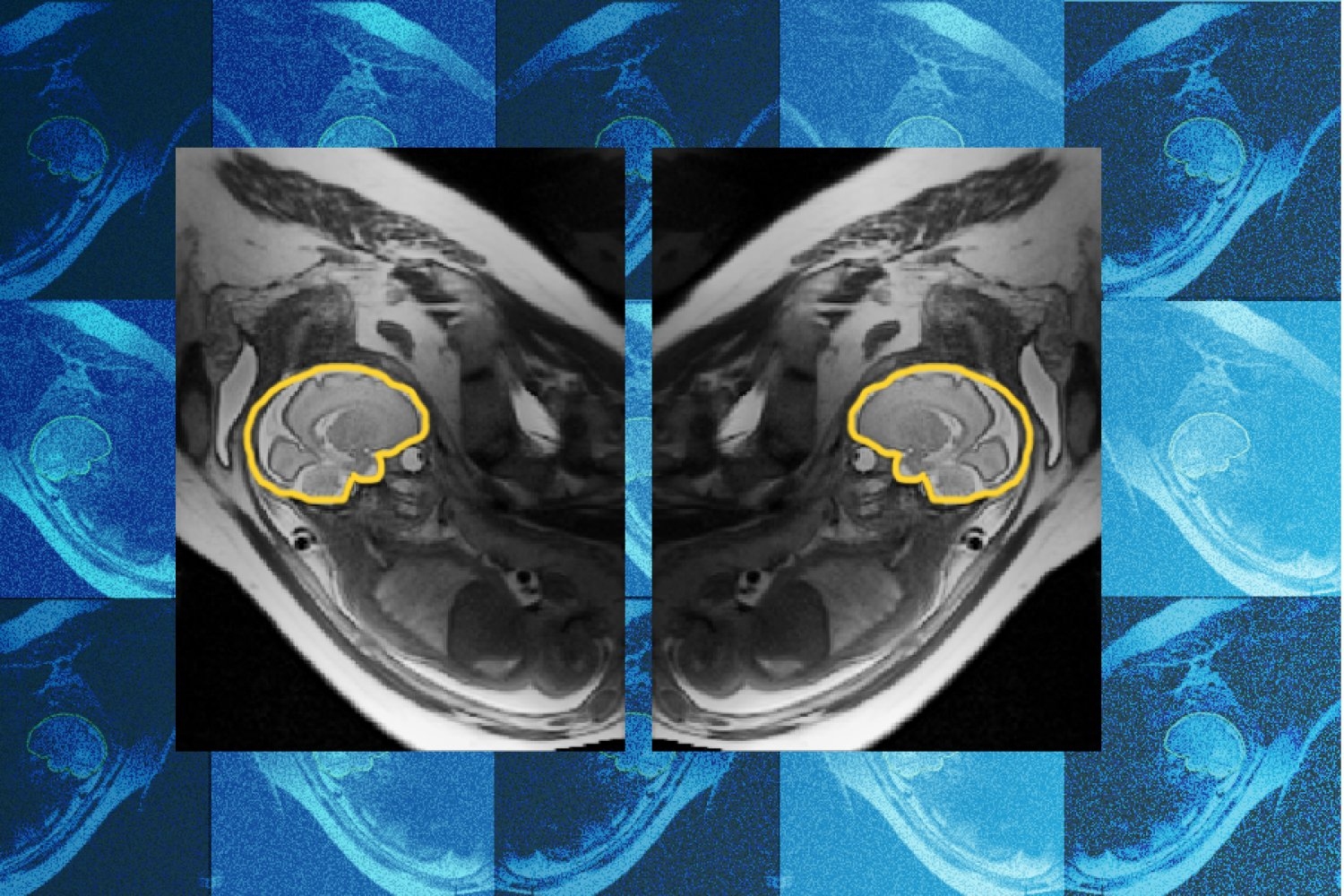 by Alex Ouyang | Abdul Latif Jameel Clinic for Machine Learning in Health on 19 October 2026 at 18:20
A model developed by researchers at MIT and Boston Children's Hospital adjusts scans on the fly to track fetal movement, potentially sparing families repeat hospital visits.
- Giving AI a “crystal clear” view of the materials world
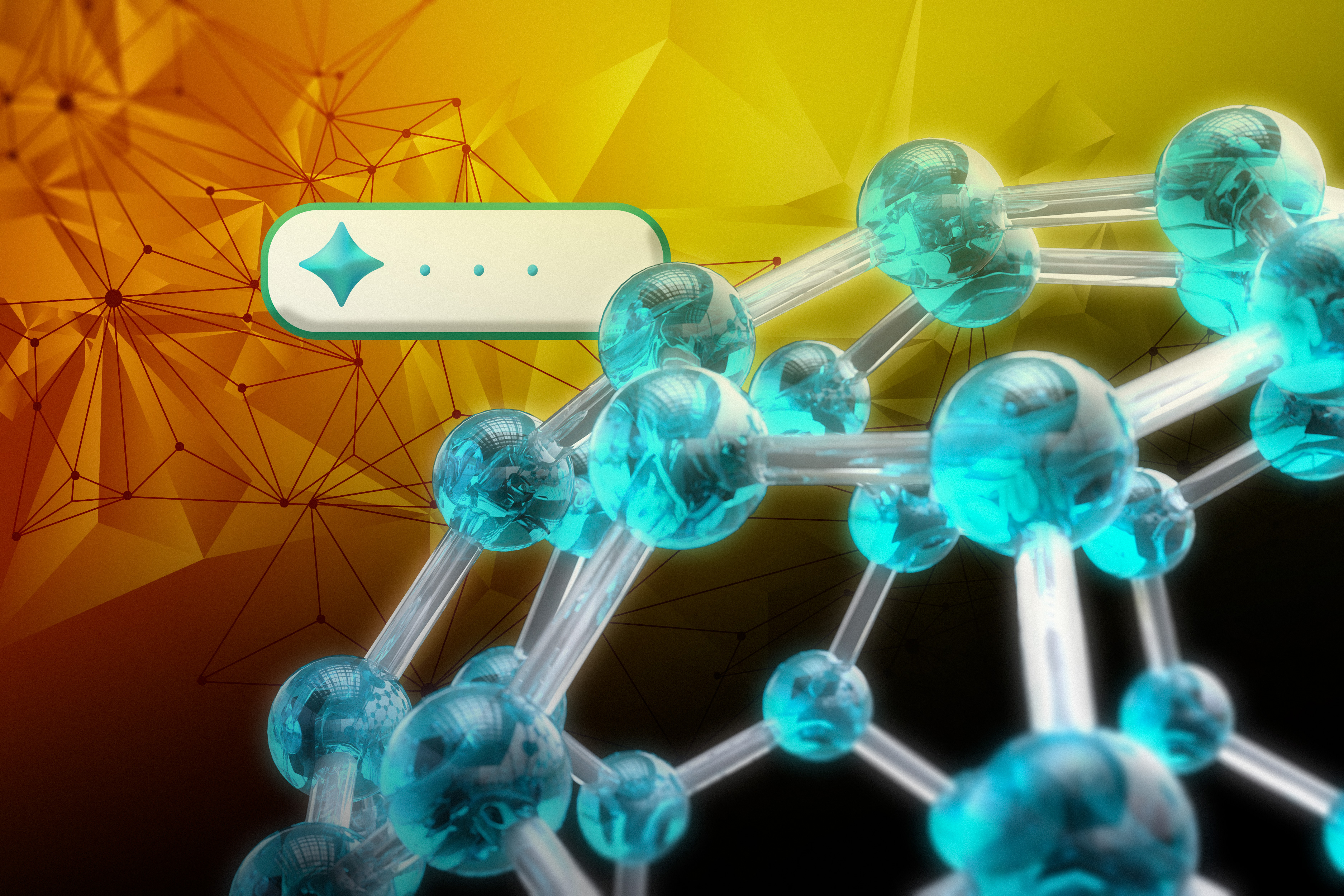 by Zach Winn | MIT News on 18 October 2026 at 04:00
New research can help AI models understand crystalline materials in 3D and reason about their properties.
- Fostering community amid Kendall Square’s innovation
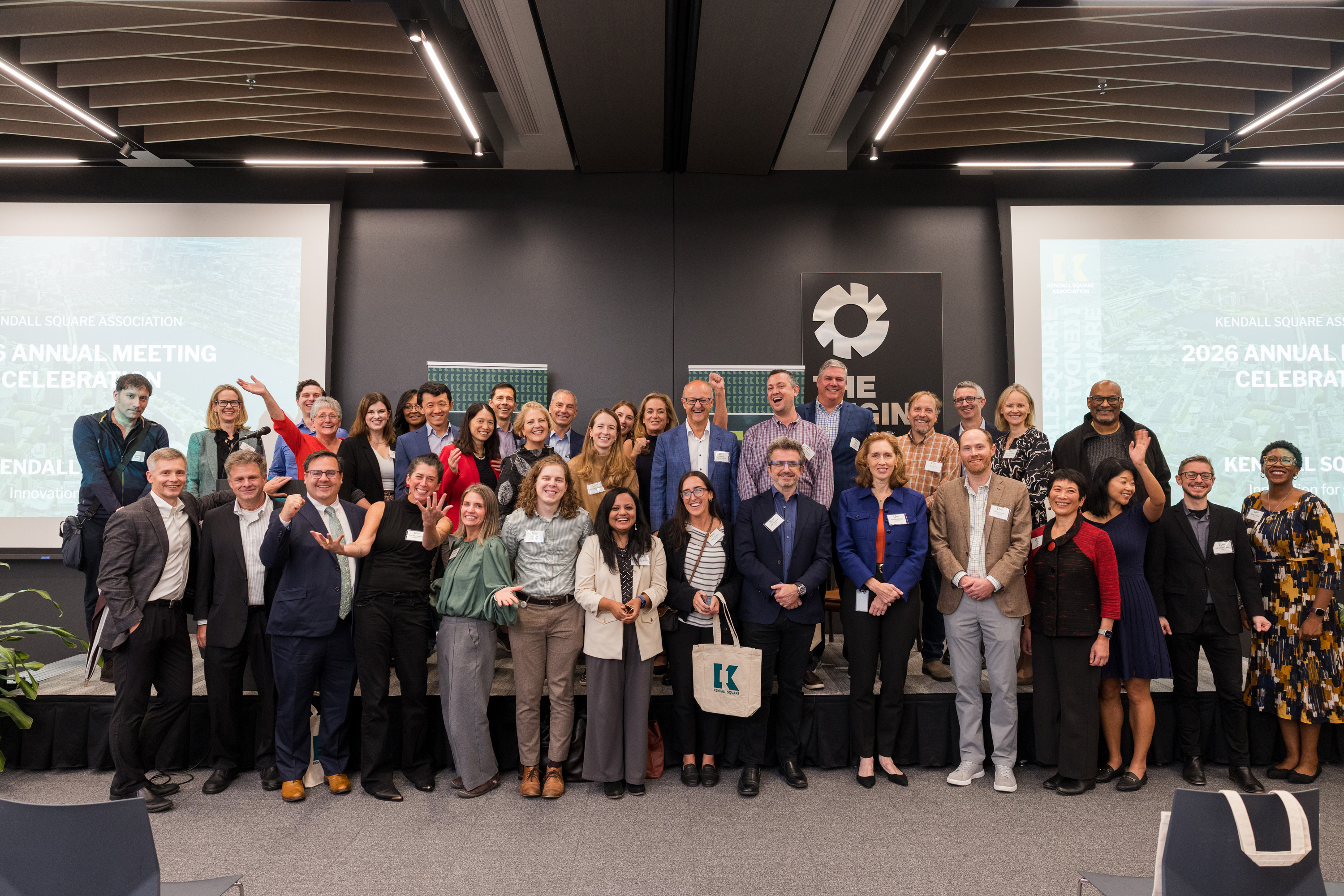 by Zach Winn | MIT News on 16 October 2026 at 16:00
The 18th annual Kendall Square Association Annual Meeting explored how new technologies could be a force for shared prosperity in society.